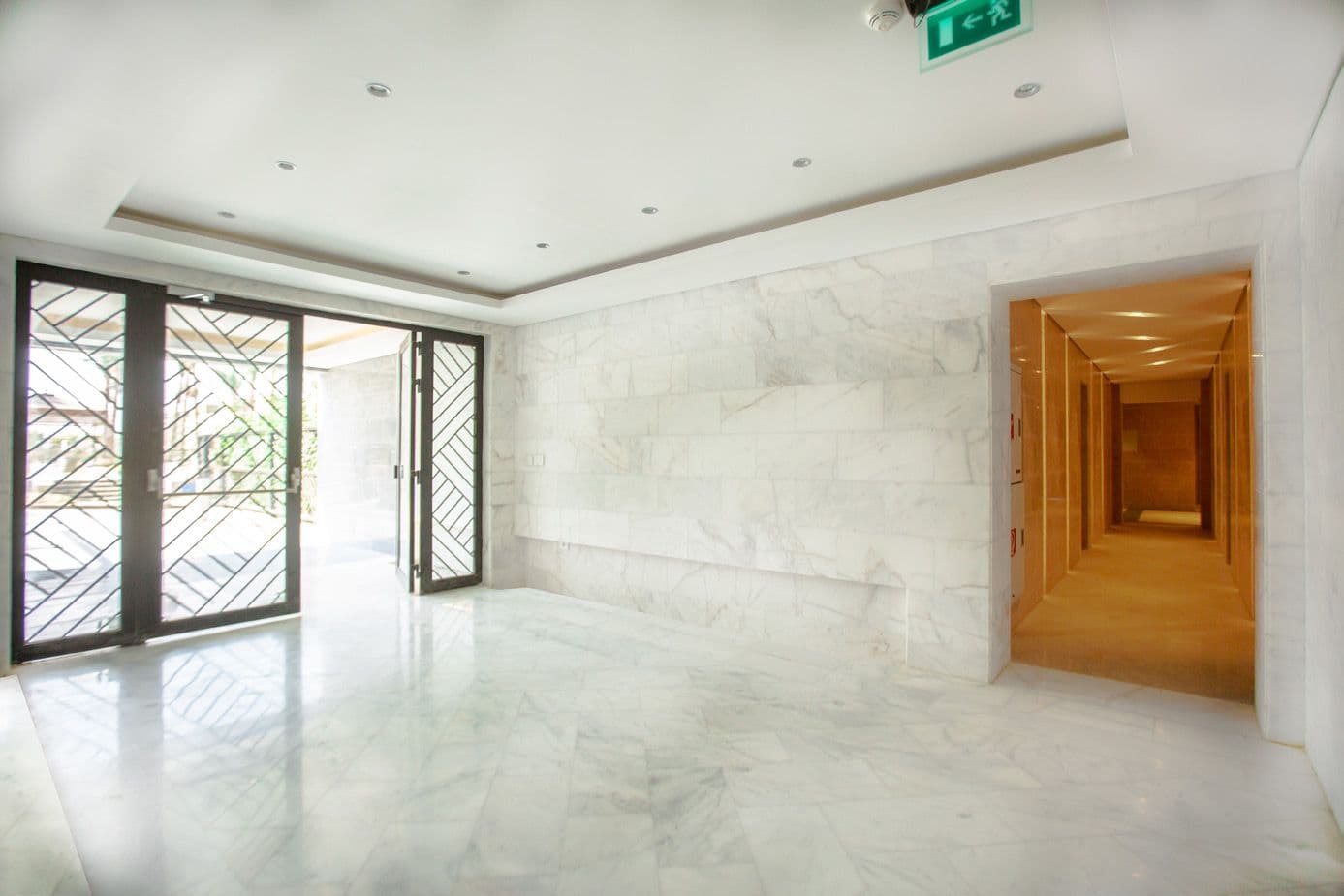
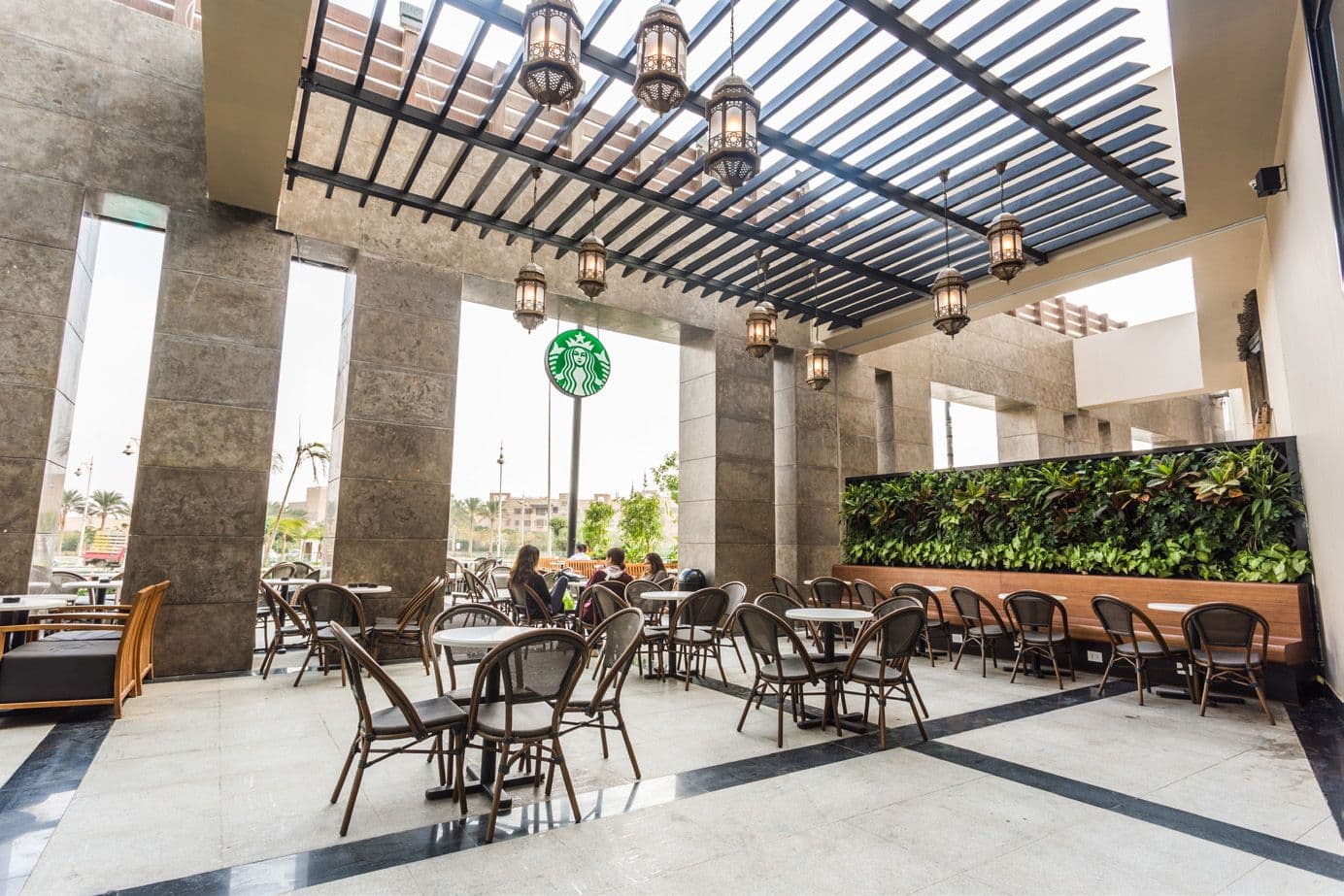
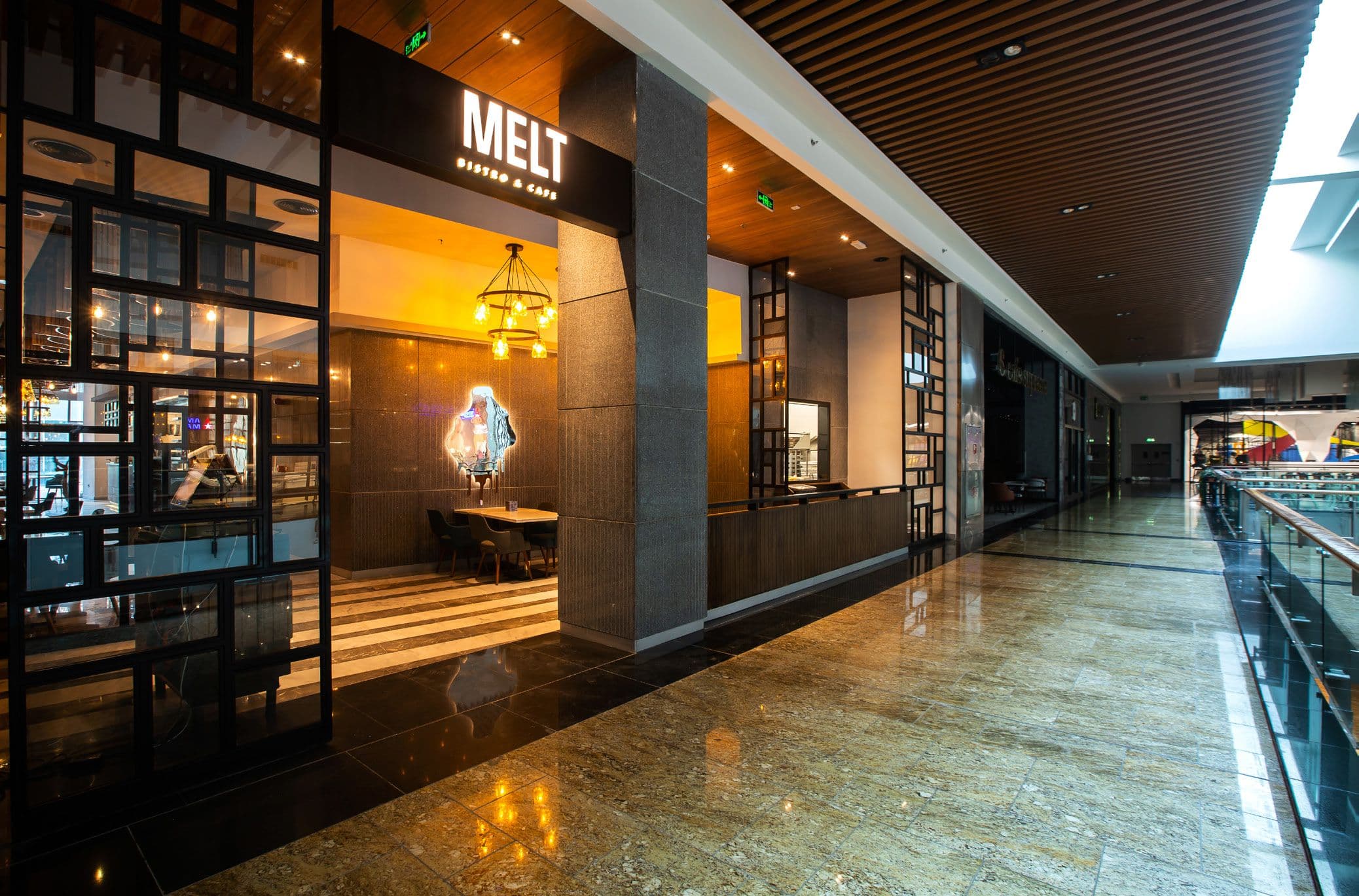
Start with the decision, not the activity
Design intent is not protected by copying drawings into shop drawings. It is protected by understanding what must remain visually true and solving the construction around it.
The productive question is not “can we build this?” but “what tolerances, interfaces, sequencing, and maintenance conditions allow us to build this consistently?”
- Name the visual priority in each critical detail.
- Test tolerances using real substrates and adjoining systems.
- Keep rejected alternatives and the reasons visible.
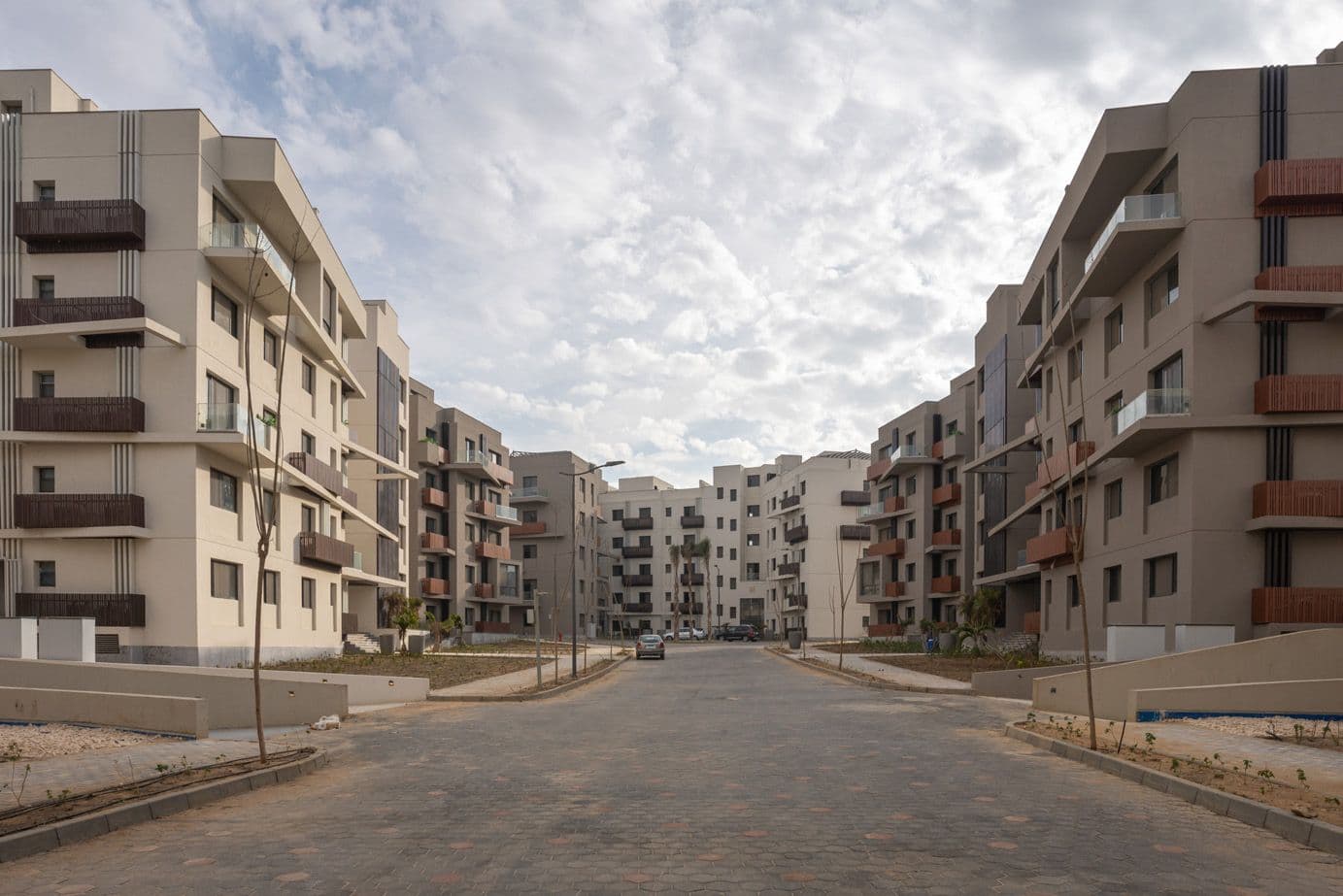
Turn intent into evidence
When the team identifies those conditions early, value engineering can improve delivery without flattening the design.
A sequence the team can use
- Read the intent — Identify the proportion, alignment, shadow, or material continuity that defines the detail.
- Map the interfaces — Expose who supplies, supports, seals, finishes, and signs off each edge.
- Prototype the risk — Test the least forgiving junction before releasing repeated work.
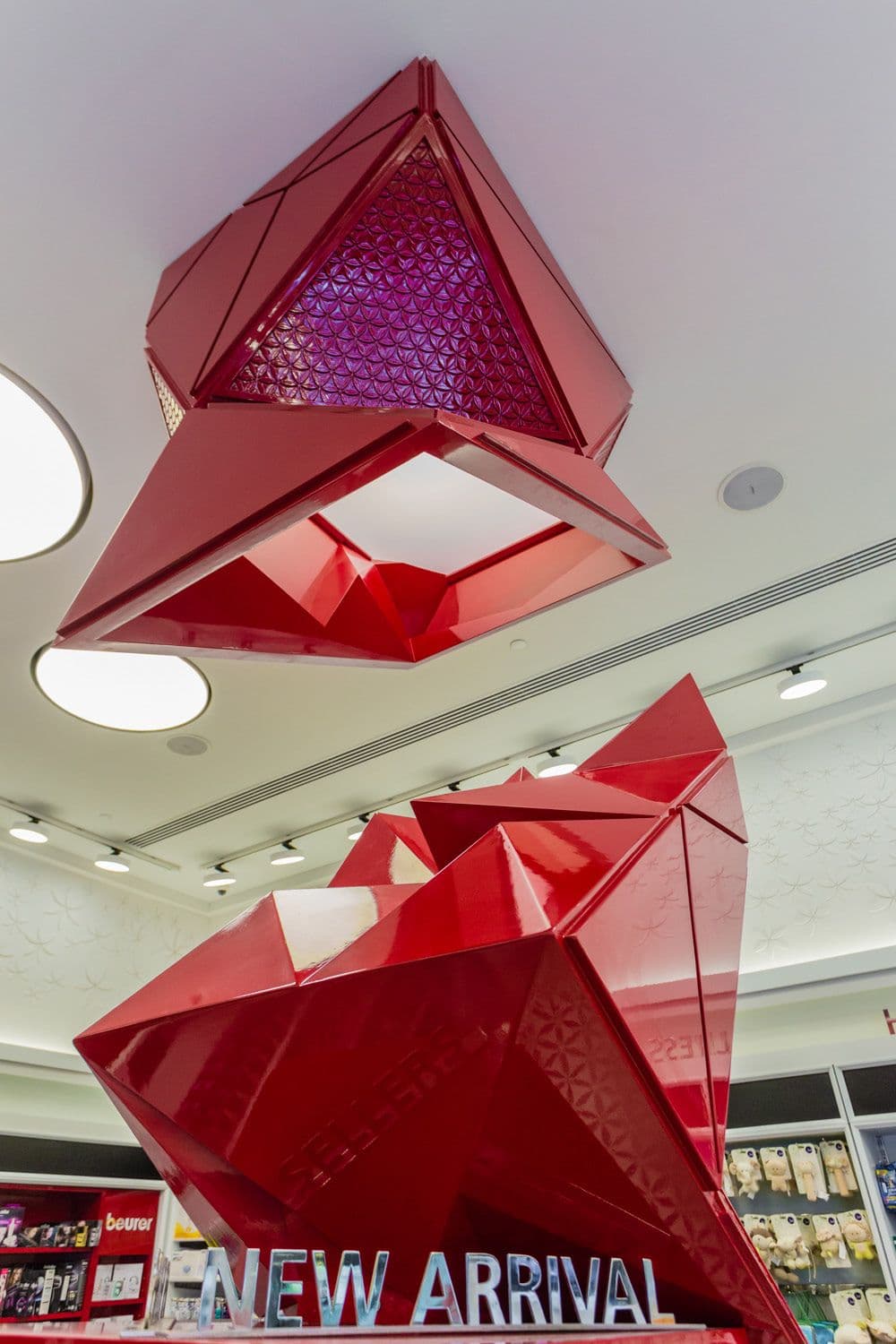
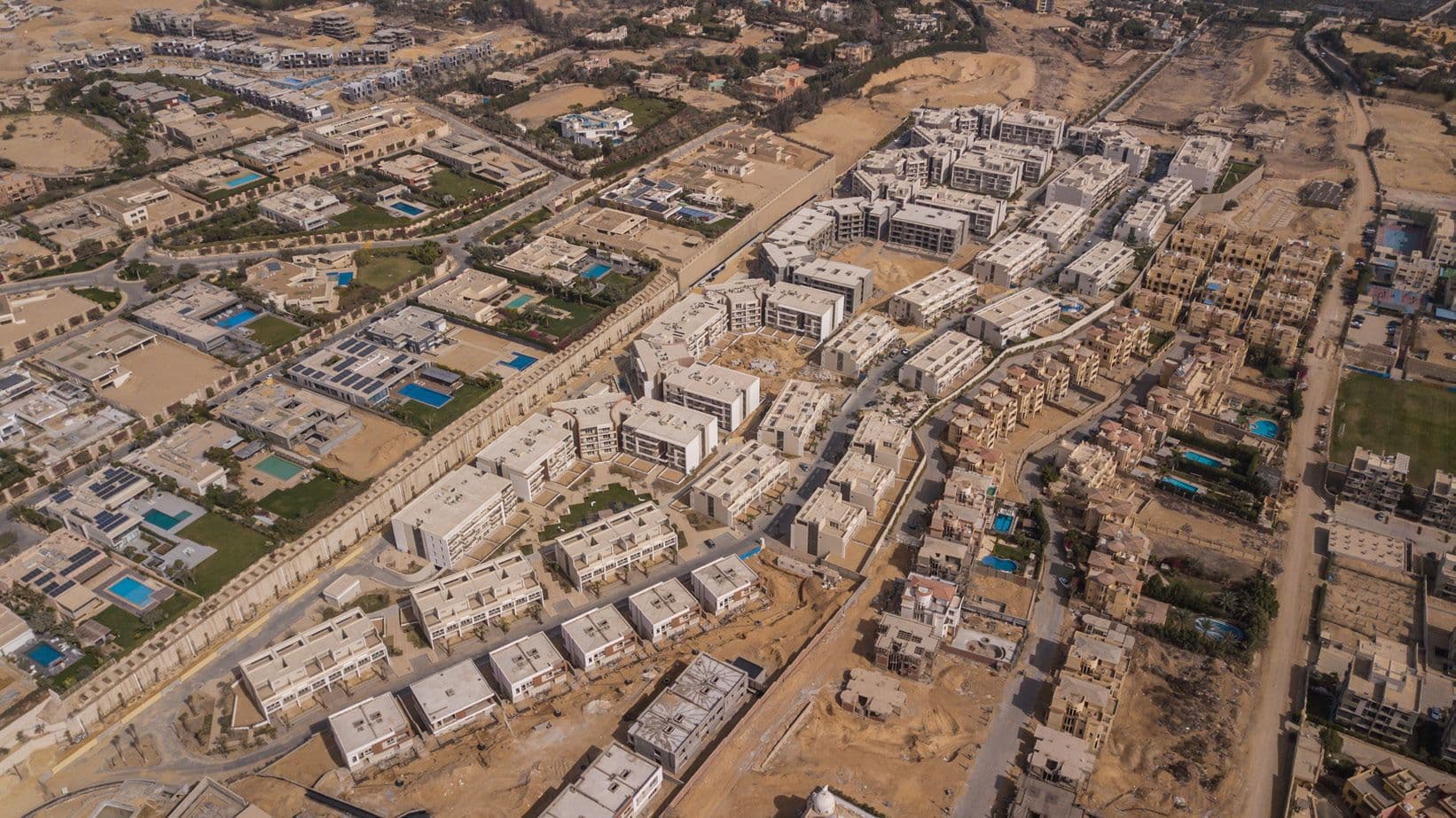
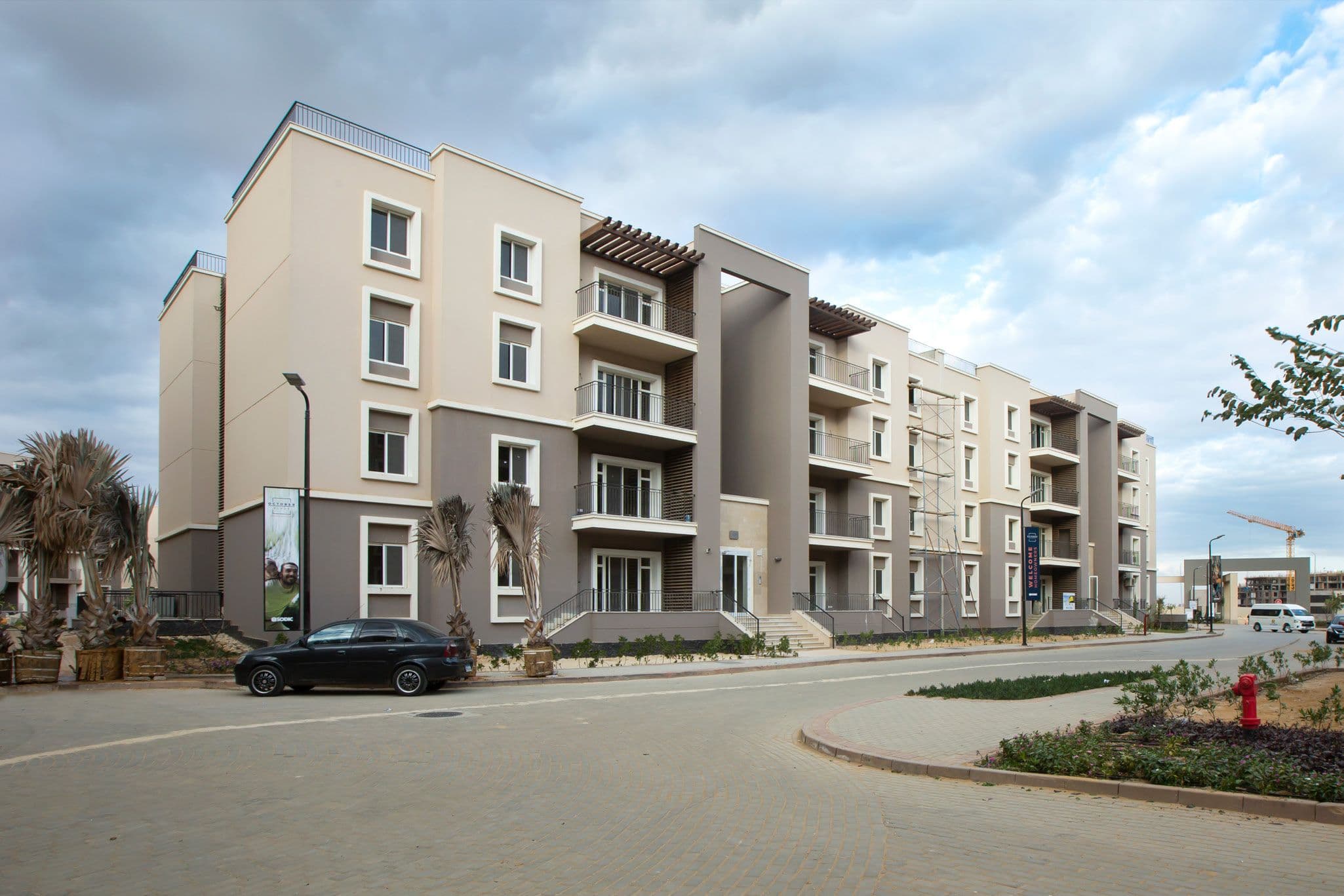
Protect what the eye reads first
Not every line carries equal design value. Agree on the alignments, reveals, material transitions, and lighting relationships that cannot drift.